Acne Treatment is essential for managing one of the most common skin conditions that affects people of all ages. Many individuals experience breakouts due to hormonal changes, lifestyle habits, or environmental factors. However, with the right understanding and care, acne can be controlled effectively and long-term skin damage can be prevented.
What is Acne?
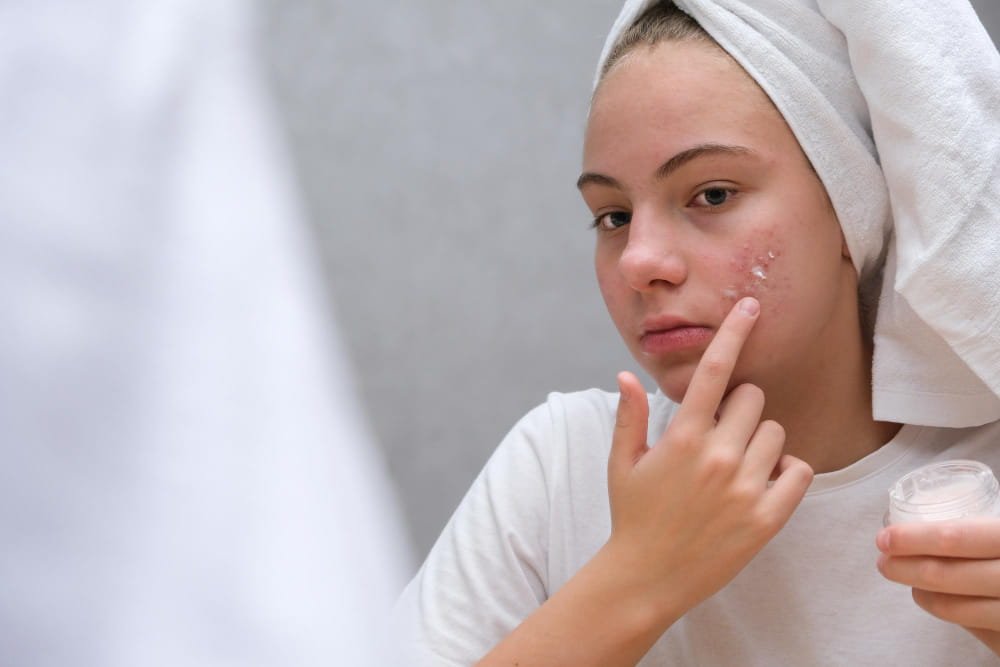
Acne is a condition that occurs when hair follicles become clogged with oil and dead skin cells. As a result, it leads to pimples, blackheads, whiteheads, or even painful cysts. It commonly appears on the face, back, chest, and shoulders. Therefore, early attention and proper care help in managing acne effectively.
Causes of Acne
Several factors contribute to acne. First, hormonal changes increase oil production, especially during adolescence or stress. In addition, poor skincare habits and the use of unsuitable products can worsen breakouts. Moreover, diet, pollution, and lack of proper hygiene also play a role. Because of these reasons, identifying the root cause is important for choosing the right approach.
Types of Acne
Different types of acne require different care methods.
Whiteheads and Blackheads
These are mild forms of acne caused by clogged pores. They are usually easier to manage with basic skincare.
Papules and Pustules
These are inflamed pimples that may cause redness and irritation. Proper care is needed to avoid worsening.
Nodules and Cystic Acne
These are severe forms that develop deep under the skin. They can be painful and may lead to scars if not treated early.
Symptoms You Should Notice
Acne often shows clear signs that should not be ignored. These include frequent breakouts, redness, swelling, oily skin, and sometimes pain. Recognizing these symptoms early helps in managing the condition better.
Effective Treatment Options
There are several ways to manage acne effectively. For example, topical treatments help reduce oil and bacteria on the skin. In more severe cases, oral medications may be recommended. Additionally, procedures like chemical peels and laser treatments can improve skin texture and reduce scars. In many situations, combining treatments gives better results.
Importance of Early Care
Starting care at the right time helps prevent complications such as scars and pigmentation. On the other hand, delaying treatment can make acne more severe and difficult to control. Therefore, early action always leads to better outcomes.
Tips to Prevent Acne
Simple daily habits can help reduce breakouts. Clean your face regularly and avoid touching or squeezing pimples. Use skincare products suitable for your skin type. Also, maintain a balanced diet and manage stress, as these factors directly affect skin health.
When to Seek Professional Help
If acne becomes severe, painful, or does not improve with basic care, it is important to consult a specialist. Professional guidance ensures accurate diagnosis and the right treatment plan for long-term results.
Conclusion
Acne Treatment plays a vital role in maintaining clear and healthy skin. Although acne is common, it can be effectively managed with the right care and timely action. By understanding its causes, types, and solutions, you can take better control of your skin and prevent future problems.