Post-Inflammatory Hyperpigmentation (PIH) is a common skin condition that leaves dark patches after the skin heals from inflammation or injury. Many people notice these marks after acne, eczema, burns, insect bites, allergic reactions, or skin infections. Although PIH is not harmful, it can take months to fade and often affects self-confidence. The good news is that early care, proper skin protection, and the right dermatological treatments can significantly improve the appearance of these marks and help prevent new ones from forming.
What Is Post-Inflammatory Hyperpigmentation?
Post-Inflammatory Hyperpigmentation develops when the skin produces extra melanin after inflammation or injury. Melanin is the natural pigment that gives skin its color. When the skin heals, excess melanin can remain in the affected area, leaving behind a flat brown, black, or grey patch.
Unlike active acne or eczema, these marks are not a sign of an ongoing infection. They are simply changes in skin pigmentation that remain after the original condition has healed.
What Causes Post-Inflammatory Hyperpigmentation?
Many skin conditions can trigger Post-Inflammatory Hyperpigmentation. Acne is one of the most common causes, especially when pimples become inflamed or are repeatedly squeezed. Eczema, psoriasis, fungal infections, allergic rashes, burns, cuts, insect bites, and certain cosmetic procedures can also lead to dark marks after healing.
Repeated scratching or picking at the skin increases inflammation and raises the risk of developing more noticeable pigmentation.
Who Is More Likely to Develop PIH?
Anyone can develop Post-Inflammatory Hyperpigmentation, but it is more common in people with medium to darker skin tones because their skin naturally produces more melanin. The marks may also appear darker and last longer in these individuals.
People who frequently experience acne, eczema, or other inflammatory skin conditions also have a higher chance of developing PIH.
What Does Post-Inflammatory Hyperpigmentation Look Like?
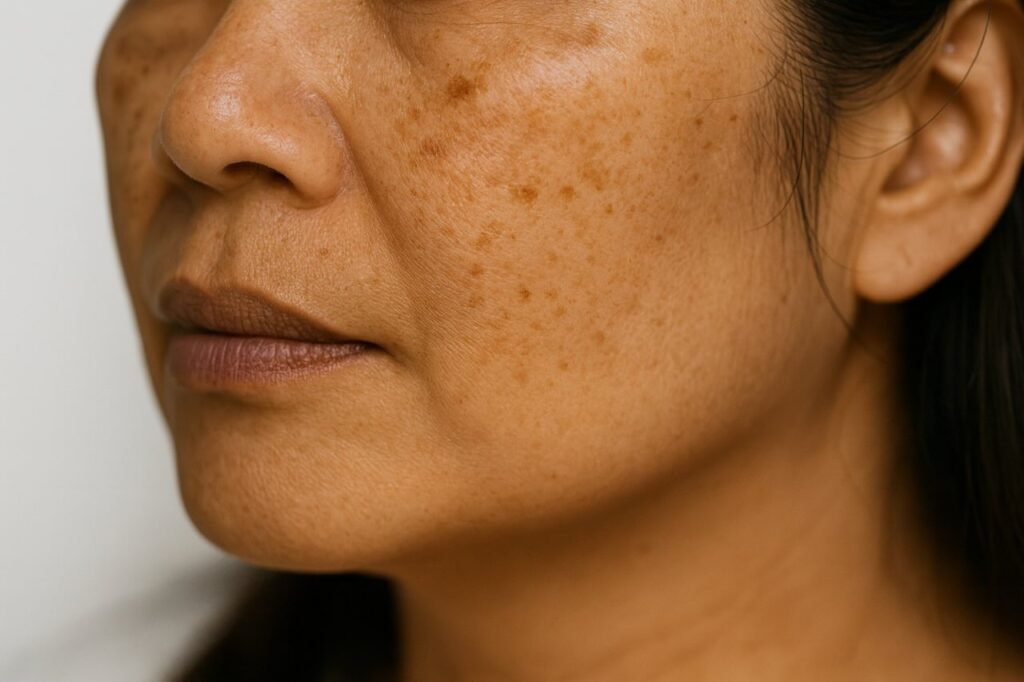
Post-Inflammatory Hyperpigmentation usually appears as flat patches that are darker than the surrounding skin. The color may range from light brown to dark brown, grey, or almost black, depending on the person’s skin tone and the depth of pigmentation.
These marks do not usually itch, bleed, or cause pain. However, they may remain visible for several months if left untreated.
How Is PIH Different from Acne Scars?
Many people confuse Post-Inflammatory Hyperpigmentation with acne scars, but they are not the same condition. PIH changes the skin’s color without changing its texture. Acne scars affect the structure of the skin and may appear as depressions or raised areas.
A person can have both PIH and acne scars at the same time. A dermatologist can determine which condition is present and recommend the most suitable treatment.
Why Early Treatment Matters
Early treatment can reduce the intensity of pigmentation and lower the chance of long-lasting marks. Treating the underlying skin condition is the first priority. If acne, eczema, or another inflammatory problem continues, new dark spots may continue to appear.
Starting treatment early also helps prevent pigmentation from becoming deeper and more difficult to manage.
Daily Skin Care for Post-Inflammatory Hyperpigmentation
A gentle skincare routine plays an important role in managing PIH. Harsh scrubbing, frequent exfoliation, or picking at healing skin can worsen pigmentation. Using a mild cleanser and a suitable moisturizer helps support the skin barrier during recovery.
Sun protection is equally important. Exposure to ultraviolet rays can darken existing pigmentation and slow the fading process. Applying a broad-spectrum sunscreen every day helps protect the skin and supports more even healing.
Treatment Options for PIH
The best treatment depends on the cause, severity, and depth of pigmentation. Dermatologists may recommend topical medications that help reduce excess melanin production and promote healthy skin renewal. Ingredients such as retinoids, azelaic acid, vitamin C, kojic acid, or other medically approved depigmenting agents may be suitable for some patients.
For persistent pigmentation, procedures such as chemical peels, laser treatments, or other dermatologist-guided therapies may help improve skin tone. These treatments should always be performed after a proper skin evaluation to ensure safety and achieve the best results.
Mistakes That Can Make PIH Worse
Many people unknowingly make Post-Inflammatory Hyperpigmentation worse by picking acne, scratching itchy skin, or using unverified skin-lightening products without medical advice. Strong home remedies and excessive exfoliation can irritate the skin further and increase pigmentation.
Skipping sunscreen is another common mistake. Even brief sun exposure can darken existing marks and delay improvement.
When Should You See a Dermatologist?
If dark marks remain for several months, continue to spread, or appear after recurring acne or skin inflammation, it is advisable to consult a dermatologist. Professional evaluation helps identify the underlying cause and ensures that the pigmentation receives the most appropriate treatment.
Early consultation is especially important if pigmentation develops after burns, severe acne, or cosmetic procedures, or if over-the-counter products fail to improve the condition.
Can Post-Inflammatory Hyperpigmentation Be Prevented?
Although it is not always possible to prevent PIH completely, reducing skin inflammation can lower the risk. Prompt treatment of acne, eczema, allergic reactions, and infections helps minimize skin damage. Avoiding scratching, squeezing pimples, and unnecessary skin irritation also reduces the chance of developing dark marks.
Maintaining a healthy skincare routine and protecting the skin from sun exposure remain the most effective ways to prevent new pigmentation from becoming more noticeable.
Conclusion
Post-Inflammatory Hyperpigmentation is a common condition that causes dark marks after the skin heals from inflammation or injury. While these marks are usually harmless, they can take time to fade without proper care. Early treatment of the underlying skin condition, gentle skincare, daily sun protection, and dermatologist-guided therapies can significantly improve skin tone. If pigmentation persists or affects your confidence, consulting a dermatologist can help you choose the most effective treatment plan for healthier, clearer skin.