Over-exfoliation has become a common skincare mistake as more people use exfoliating acids, scrubs, and active ingredients without understanding how often they should be applied. While exfoliation helps remove dead skin cells and improve skin texture, using it too frequently can weaken the skin’s natural barrier. This may lead to redness, irritation, dryness, breakouts, and increased sensitivity. Knowing the signs of over-exfoliation can help you protect your skin and maintain a healthy complexion.
What Is Exfoliation?
Exfoliation is the process of removing dead skin cells from the surface of the skin. Healthy skin naturally sheds these cells, but gentle exfoliation can improve skin texture, brighten the complexion, and help skincare products absorb more effectively.
There are two main types of exfoliation. Physical exfoliation uses scrubs or brushes to remove dead skin manually. Chemical exfoliation uses ingredients such as alpha hydroxy acids (AHAs), beta hydroxy acids (BHAs), or polyhydroxy acids (PHAs) to loosen and remove dead skin cells.
When performed correctly, exfoliation supports healthy skin. Problems begin when people exfoliate too often or combine multiple exfoliating products.
What Happens When You Over-Exfoliate?
The skin barrier acts as the body’s first line of defense. It helps lock in moisture and protects the skin from bacteria, pollution, and irritants. Over-exfoliation damages this protective layer by removing healthy skin cells along with dead ones.
As the barrier becomes weaker, the skin loses moisture more quickly and becomes more vulnerable to irritation. Even products that previously felt comfortable may suddenly cause burning or stinging.
Signs Your Skin Is Over-Exfoliated
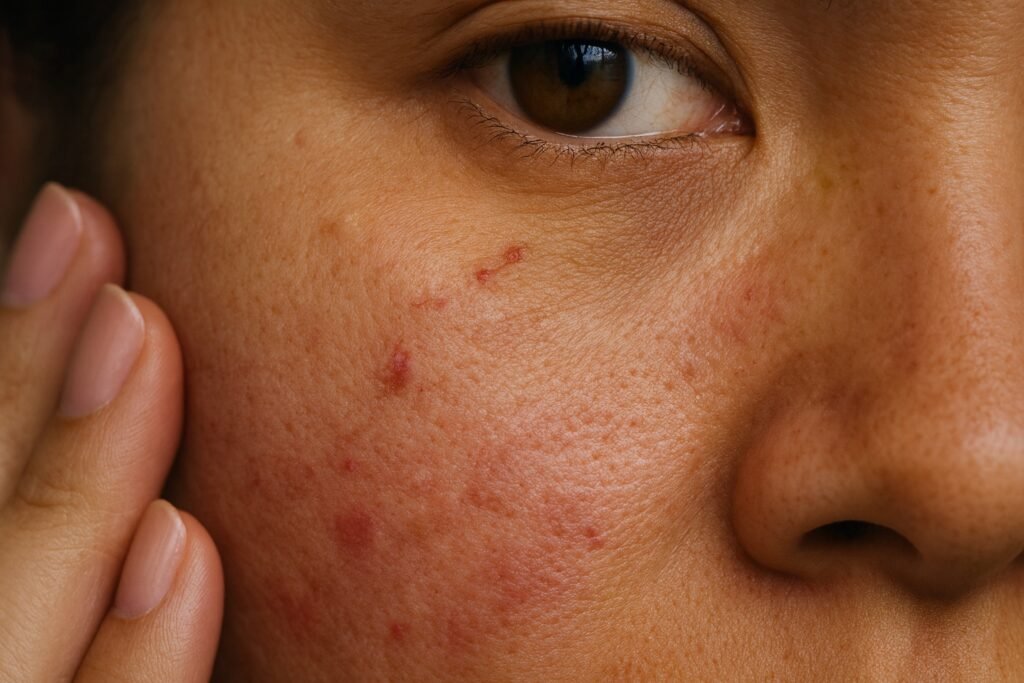
One of the earliest signs is persistent redness that does not improve after washing your face. The skin may feel tight, dry, or unusually sensitive. Some people notice peeling, rough patches, or excessive flaking despite using moisturizers.
Over-exfoliation can also trigger acne-like breakouts because the damaged barrier becomes inflamed more easily. Your skin may react to products that never caused problems before, including gentle cleansers and moisturizers.
Why More Exfoliation Does Not Mean Better Skin
Many people believe frequent exfoliation will make the skin smoother and brighter. In reality, healthy skin needs time to repair itself. Removing too many skin cells disrupts the natural renewal process instead of improving it.
The skin constantly rebuilds its protective barrier. If exfoliation happens too often, the barrier cannot recover properly. This may lead to long-term irritation, increased dryness, and uneven skin texture.
Common Causes of Over-Exfoliation
Using multiple exfoliating products in the same routine is one of the most common causes. Some people combine facial scrubs, exfoliating cleansers, toners, serums, and retinoids without realizing they all increase skin cell turnover.
Daily scrubbing with harsh exfoliants can also damage the skin. Strong pressure while using physical scrubs creates tiny injuries that increase irritation. Following social media skincare trends without considering your skin type may also increase the risk.
Who Is More Likely to Experience It?
Anyone can develop over-exfoliation, but people with sensitive skin, eczema, rosacea, or naturally dry skin are more vulnerable. Individuals using prescription acne treatments or anti-aging products should also be cautious because these treatments already increase skin renewal.
Applying several active ingredients together without professional guidance often leads to unnecessary irritation.
How to Help Your Skin Recover
If your skin becomes irritated after exfoliation, stop using exfoliating products for several days or until the skin feels comfortable again. Focus on restoring the skin barrier by using a gentle cleanser, a fragrance-free moisturizer, and a broad-spectrum sunscreen every day.
Avoid introducing new active ingredients while your skin heals. Giving the skin time to recover is often the most effective way to reduce redness and sensitivity.
How Often Should You Exfoliate?
There is no single routine that suits everyone. Oily skin may tolerate exfoliation more often than dry or sensitive skin. Most people benefit from gentle exfoliation only one to three times each week, depending on their skin type and the products they use.
A dermatologist can recommend a routine based on your skin condition, lifestyle, and treatment goals. Following professional advice helps reduce the risk of damaging the skin barrier.
When Should You See a Dermatologist?
If redness, burning, peeling, or irritation continues despite stopping exfoliation, it is time to consult a dermatologist. Persistent symptoms may indicate severe barrier damage or another skin condition that requires medical treatment.
People with acne, pigmentation, rosacea, or eczema should seek professional advice before using strong exfoliating products. A personalized skincare routine is safer and often produces better long-term results.
Conclusion
Over-exfoliation can damage the skin by weakening its natural protective barrier. Although exfoliation is an important part of skincare, using too many exfoliating products or applying them too often may lead to dryness, redness, sensitivity, and breakouts. A balanced skincare routine, gentle products, and proper sun protection help maintain healthy skin. If irritation persists or your skin becomes increasingly sensitive, consulting a dermatologist can help restore your skin barrier and prevent long-term damage.