Healthy, shiny hair is often a sign of good overall health. While genetics, hormones, stress, and hair care habits all influence hair growth, nutrition plays an equally important role. Hair follicles require a continuous supply of vitamins and minerals to grow healthy strands. When the body lacks these essential nutrients, hair may become weak, thin, brittle, or begin to shed more than usual.
Many people focus on expensive shampoos and hair treatments without realizing that the root cause of their hair concerns may be a nutritional deficiency. Understanding how vitamin deficiencies affect hair health can help you take the right steps toward stronger, healthier hair.
Why Vitamins Are Important for Hair Health
Hair follicles are among the most active structures in the body. They constantly produce new hair cells, which requires an adequate supply of nutrients. Vitamins support cell growth, improve blood circulation to the scalp, strengthen hair follicles, and help maintain the natural hair growth cycle.
When the body is deficient in essential vitamins, it prioritizes nutrients for vital organs instead of hair. Consequently, hair growth slows down, shedding increases, and overall hair quality may decline.
Common Signs Your Hair May Be Affected
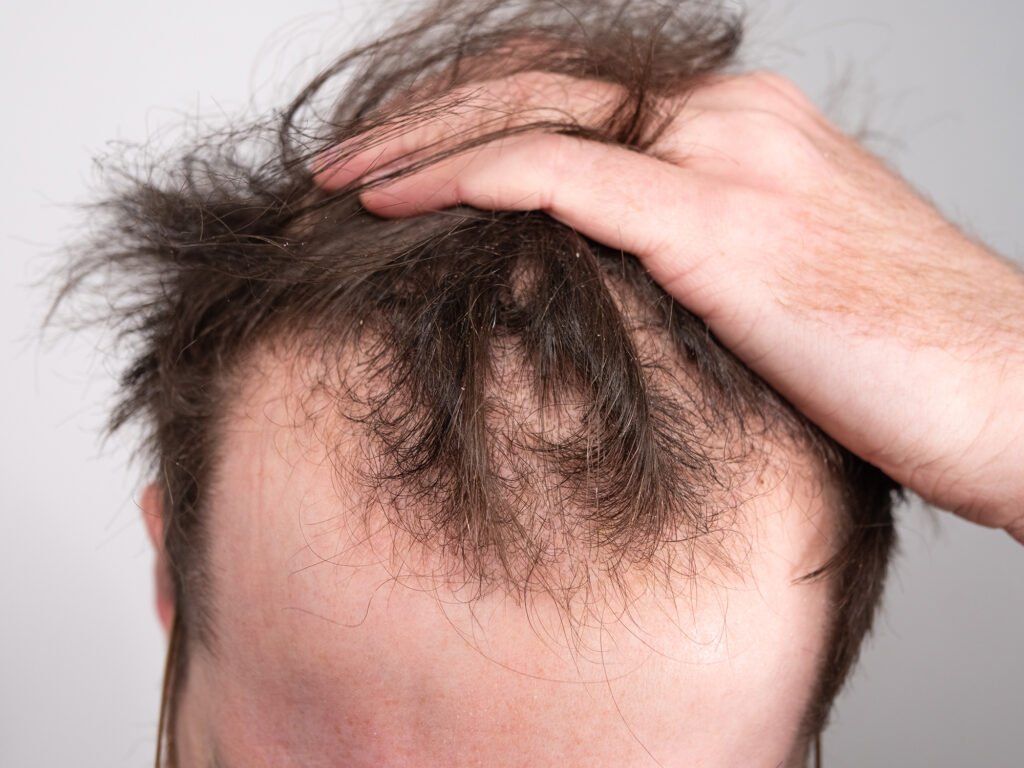
The symptoms of vitamin deficiencies often develop gradually. Initially, you may notice more hair strands on your pillow, hairbrush, or shower drain. Over time, your hair may appear thinner, lose its natural shine, become dry and brittle, or break more easily. Some individuals also experience slower hair growth or changes in hair texture.
Although these symptoms may result from nutritional deficiencies, they can also occur due to hormonal changes, medical conditions, stress, or certain medications. Therefore, a proper medical evaluation is always recommended before starting supplements.
Essential Vitamins That Support Healthy Hair
Several vitamins contribute to maintaining healthy hair growth and scalp health.
Vitamin D
Vitamin D plays an important role in supporting the normal hair growth cycle. Low levels have been associated with increased hair shedding and certain types of hair loss. Maintaining adequate Vitamin D levels may help support healthier hair follicles.
Biotin (Vitamin B7)
Biotin is well known for supporting keratin production, which is the protein that forms the structure of hair. While true biotin deficiency is uncommon, insufficient levels can contribute to weak, brittle hair and increased breakage.
Vitamin B12
Vitamin B12 helps produce healthy red blood cells that transport oxygen and nutrients throughout the body, including the scalp. When Vitamin B12 levels are low, hair follicles may not receive adequate nourishment, leading to thinning hair.
Vitamin C
Vitamin C supports collagen production, which strengthens the hair shaft. It also improves iron absorption and acts as an antioxidant that helps protect hair follicles from damage caused by free radicals.
Vitamin E
Vitamin E promotes healthy circulation and protects scalp cells from oxidative stress. Healthy scalp tissue creates a better environment for normal hair growth.
Minerals That Also Influence Hair Growth
Hair health depends on more than vitamins alone. Certain minerals are equally essential for maintaining strong, healthy hair.
Iron is one of the most common nutritional deficiencies linked to hair loss, especially among women. Without sufficient iron, oxygen delivery to hair follicles decreases, affecting normal growth.
Zinc supports tissue repair and healthy hair follicle function. Low zinc levels may contribute to increased shedding and slower hair growth.
Selenium also plays a role in protecting hair follicles from oxidative damage. However, excessive selenium intake can also cause hair loss, making balanced nutrition important.
Who Is More Likely to Experience Vitamin Deficiencies?
Certain groups are at greater risk of developing vitamin deficiencies. Individuals following restrictive diets, vegetarians, vegans, older adults, pregnant women, and people with digestive disorders may have difficulty obtaining or absorbing enough nutrients. Likewise, chronic illnesses and certain medications can interfere with vitamin absorption, increasing the likelihood of hair-related concerns.
Regular health checkups and blood tests can help identify deficiencies before they significantly affect hair health.
Can Supplements Improve Hair Growth?
Many people immediately begin taking hair supplements when they notice increased hair fall. However, supplements only provide benefits when a confirmed nutritional deficiency exists. Taking unnecessary supplements may not improve hair growth and, in some cases, excessive vitamin intake can even be harmful.
For this reason, it is always advisable to seek professional guidance before starting any supplement regimen.
Lifestyle Habits That Support Healthy Hair
Good nutrition works best when combined with healthy daily habits. Eating a balanced diet rich in fruits, vegetables, lean proteins, whole grains, and healthy fats provides the nutrients needed for healthy hair growth. Staying hydrated, getting enough sleep, managing stress, and exercising regularly also contribute to healthier hair.
Additionally, avoiding excessive heat styling, harsh chemical treatments, and tight hairstyles helps minimize unnecessary hair damage. Using gentle hair care products and protecting the scalp from excessive sun exposure further supports long-term hair health.
When Should You Consult a Dermatologist?
Occasional hair shedding is normal, but persistent or excessive hair loss should never be ignored. If your hair continues to thin despite improving your diet, or if you notice bald patches, scalp irritation, or sudden hair loss, it is important to consult a dermatologist.
A specialist can perform a thorough examination and may recommend blood tests to identify vitamin deficiencies, thyroid disorders, hormonal imbalances, or other medical conditions affecting hair growth. Early diagnosis often leads to more effective treatment and better long-term outcomes.
Can Hair Recover After Correcting Vitamin Deficiencies?
In many cases, hair growth improves once the underlying nutritional deficiency has been corrected. However, patience is essential because hair grows slowly. Most individuals begin noticing gradual improvements after several months of consistent treatment, healthy eating, and proper scalp care.
Following your dermatologist’s recommendations and maintaining a balanced lifestyle can significantly improve both hair quality and overall scalp health.
Conclusion
Vitamin deficiencies can have a significant impact on hair health by weakening hair follicles, increasing shedding, and slowing healthy growth. Although nutritional deficiencies are a common cause of hair problems, they are not the only factor involved. A proper diagnosis is essential to determine the underlying cause and select the most effective treatment.
Maintaining a nutritious diet, following healthy lifestyle habits, and seeking timely advice from a qualified dermatologist can help preserve healthy, strong, and beautiful hair for years to come.