
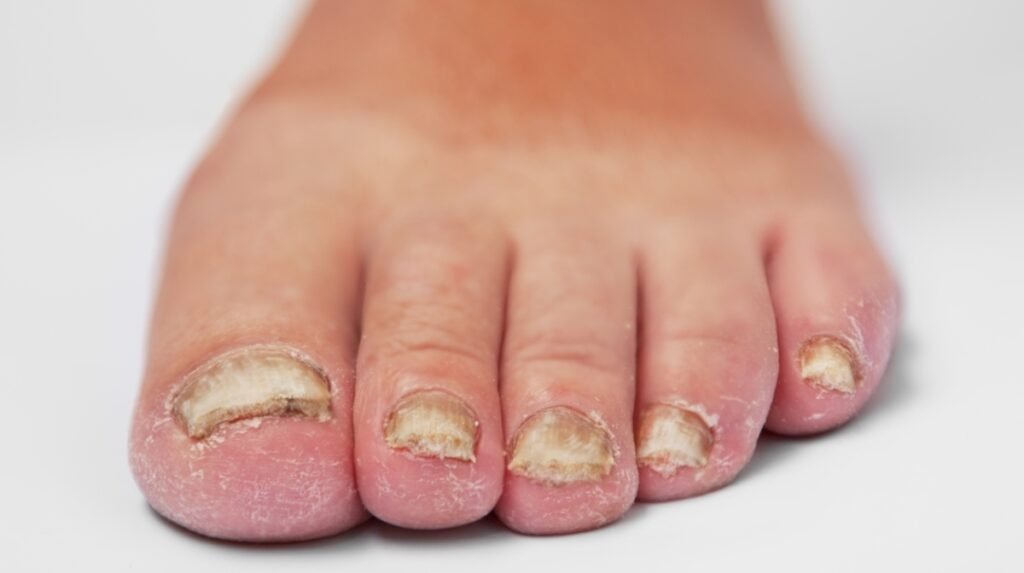
Fungal Nail Infections become more common during the monsoon season because constant moisture, humidity, and wet footwear create the perfect environment for fungi to grow. Many people spend long hours in damp socks, closed shoes, or rain-soaked footwear without realizing how much these conditions affect nail health. What may begin as a small white or yellow spot on the nail can gradually develop into a persistent fungal infection if left untreated.
Knowing why fungal nail infections increase during monsoon can help you protect your nails and seek treatment before the infection spreads.
What Is a Fungal Nail Infection?
A fungal nail infection, also known as onychomycosis, occurs when fungi enter the nail through tiny cracks or small injuries. The infection usually starts at the edge of the nail and slowly spreads deeper. Over time, the nail may become thick, discolored, brittle, or uneven.
Although toenails are affected more often than fingernails, both can develop fungal infections. The condition usually progresses slowly, but it rarely disappears without proper treatment.
Why Monsoon Increases the Risk
The rainy season creates ideal conditions for fungal growth. High humidity keeps the skin and nails moist for longer periods. Wet shoes, damp socks, and limited airflow around the feet allow fungi to multiply more easily.
Many people also walk through puddles or wear wet footwear during monsoon. If the feet remain damp for several hours, the risk of fungal infection increases significantly. Repeated exposure to moisture weakens the skin around the nails and makes it easier for fungi to enter.
Damp Footwear Creates the Perfect Environment
Shoes and socks that remain wet throughout the day trap heat and moisture around the feet. This warm environment encourages fungal growth and prevents the skin from drying properly. Wearing the same damp footwear repeatedly increases the chance of infection.
People who work outdoors, travel frequently, or spend long hours in closed shoes may face a higher risk during monsoon. Dry footwear plays an important role in keeping the nails healthy.
Small Nail Injuries Can Lead to Infection
Minor injuries around the nails often go unnoticed. Trimming nails too short, biting nails, or wearing tight shoes can create tiny openings around the nail. These small breaks allow fungi to enter more easily.
During monsoon, moisture makes this process even easier because fungi multiply rapidly in damp conditions. Even a minor injury can become the starting point for a fungal nail infection.
Who Is More Likely to Develop Fungal Nail Infections?
Anyone can develop a fungal nail infection, but some people have a higher risk. Individuals who sweat excessively, wear closed shoes for long hours, or frequently use public swimming pools and changing rooms may develop infections more easily.
People with diabetes, reduced immunity, poor blood circulation, or existing fungal skin infections on the feet should also pay extra attention to nail health. Treating athlete’s foot early may reduce the risk of the infection spreading to the nails.
Common Signs of a Fungal Nail Infection
Fungal nail infections often develop gradually. At first, the nail may show a small white, yellow, or brown spot. As the infection spreads, the nail may become thicker, rougher, and more brittle. Some nails lose their natural shine or become difficult to trim.
In advanced cases, the nail may separate from the nail bed and develop an unpleasant odor. Some people also notice discomfort while wearing shoes because the thickened nail presses against the footwear.
Why Early Treatment Matters
Many people ignore nail changes because the infection usually develops slowly. Unfortunately, fungal nail infections rarely improve without treatment. The infection can spread to nearby nails and become more difficult to treat over time.
Early treatment offers a better chance of clearing the infection before significant nail damage occurs. Prompt care also reduces the risk of spreading the fungus to other family members.
How to Protect Your Nails During Monsoon
Good foot hygiene plays an important role in preventing fungal nail infections. Wash your feet daily and dry them thoroughly, especially between the toes. Always change wet socks and avoid wearing damp shoes for long periods. Choose breathable footwear whenever possible and allow shoes to dry completely before using them again.
Keep your nails trimmed straight across and avoid sharing nail clippers, towels, socks, or footwear. If you regularly get caught in the rain, change into dry footwear as soon as you reach home or work.
When Should You See a Dermatologist?
If a nail becomes thick, discolored, brittle, or starts separating from the nail bed, it is important to consult a dermatologist. Medical attention is also necessary if multiple nails become affected or if the infection keeps returning despite home care.
People with diabetes or poor circulation should seek treatment as soon as they notice nail changes because delayed treatment can increase the risk of complications.
Treatment Options
Treatment depends on how severe the infection has become. Mild infections may respond to medicated nail solutions or topical antifungal medications. More advanced infections often require oral antifungal medicines prescribed by a dermatologist. In some cases, doctors may recommend additional procedures if the nail has become severely damaged.
Following the complete treatment plan is essential because fungal nail infections often take several months to clear as healthy nails grow slowly.
Conclusion
Fungal Nail Infections become more common during monsoon because humidity, damp footwear, and prolonged moisture create ideal conditions for fungal growth. Early signs such as nail discoloration, thickening, or brittleness should never be ignored. Keeping the feet clean and dry, wearing breathable footwear, and changing wet socks promptly can greatly reduce the risk of infection. If nail changes persist or worsen, early consultation with a dermatologist can help restore healthy nails and prevent the infection from spreading.