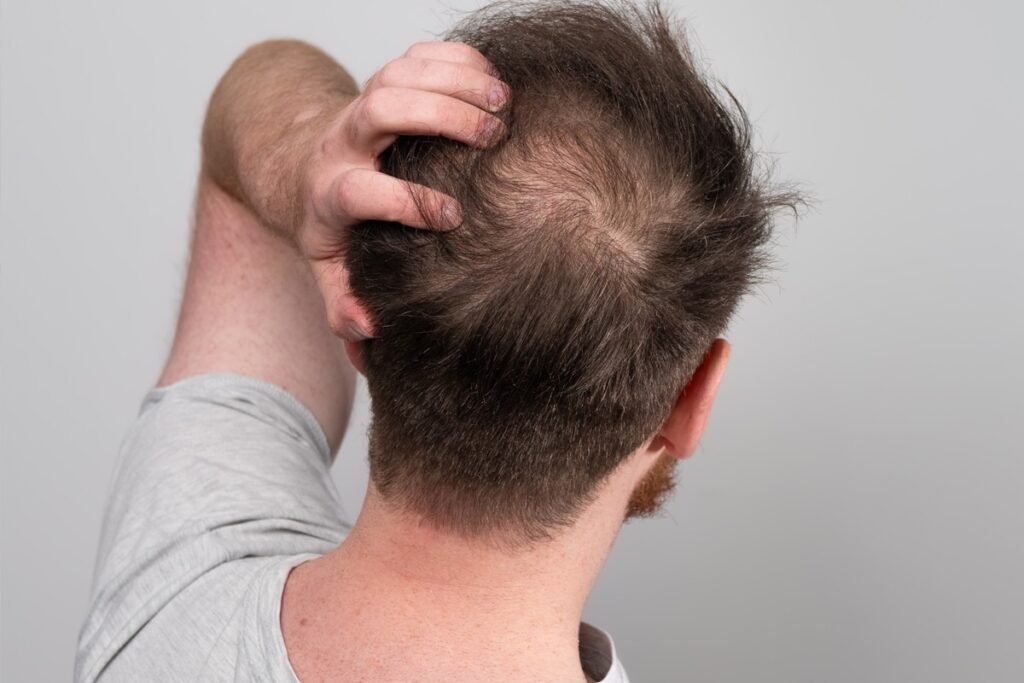
Hair thinning is often associated with aging, but it can begin much earlier than many people expect. Teenagers, young adults, and people in their twenties or thirties can also notice a gradual reduction in hair volume. At first, the changes may seem minor. You may see more hair on your pillow, in the shower, or on your hairbrush. Over time, your ponytail may feel thinner, your scalp may become more visible, or your hair may lose its natural fullness.
Hair thinning does not happen overnight. It usually develops gradually, making early signs easy to overlook. Understanding the causes and seeking timely care can help protect your hair and improve long-term results.
What Is Hair Thinning?
Hair thinning refers to a gradual decrease in hair density. Unlike sudden hair loss, hair thinning develops slowly over weeks or months. The hair may become finer, weaker, and less voluminous before noticeable bald patches appear.
Hair thinning can affect both men and women. However, the pattern and underlying causes may differ. Some people experience thinning at the crown, while others notice widening of the hair part or reduced hair volume across the scalp.
Why Hair Thinning Can Start at a Young Age
Several factors can contribute to early hair thinning. Genetics is one of the most common causes. If close family members experienced early hair loss, you may also have a higher chance of developing it.
Hormonal changes, stress, nutritional deficiencies, poor sleep, and certain medical conditions can also affect the normal hair growth cycle. In many cases, more than one factor contributes to hair thinning at the same time.
Everyday Habits That Affect Hair Health
Daily habits can influence the health of your hair. Frequent heat styling, harsh chemical treatments, tight hairstyles, and excessive use of styling products may weaken the hair shaft over time. Repeated pulling or tension on the hair can also lead to gradual thinning.
Skipping balanced meals or following restrictive diets may reduce the nutrients your hair needs for healthy growth. Hair follicles require adequate protein, iron, vitamins, and minerals to produce strong, healthy hair.
Stress Can Interrupt the Hair Growth Cycle
Physical and emotional stress can affect normal hair growth. Illness, surgery, major life events, lack of sleep, or prolonged emotional stress may push more hair follicles into the resting phase. This often leads to increased hair shedding a few months later.
Although stress-related hair loss may improve after the trigger resolves, persistent stress can continue to affect hair health. Managing stress and maintaining a healthy lifestyle can support normal hair growth.
Hormones Play an Important Role
Hormonal changes can trigger hair thinning in both men and women. Conditions affecting thyroid function, hormonal imbalance, pregnancy, childbirth, or menopause may influence the hair growth cycle. In men, hereditary hormonal changes often lead to gradual thinning around the temples and crown.
Women with hormonal disorders may notice increased hair shedding along with changes in their menstrual cycle, acne, or excessive facial hair growth. Identifying the underlying hormonal cause is an important step in treatment.
Nutritional Deficiencies Can Weaken Hair
Healthy hair depends on proper nutrition. Low levels of iron, vitamin D, vitamin B12, zinc, or protein can affect hair growth and increase shedding. Rapid weight loss or crash dieting may also reduce the nutrients available to growing hair follicles.
A balanced diet supports healthy hair growth. However, nutritional supplements should only be taken after proper medical evaluation because not every case of hair thinning results from vitamin deficiency.
Scalp Health Matters Too
Healthy hair starts with a healthy scalp. Conditions such as dandruff, seborrheic dermatitis, psoriasis, fungal infections, and chronic scalp inflammation may affect the environment where hair grows. Persistent itching, redness, or scaling should not be ignored because these conditions may contribute to increased hair shedding if left untreated.
Regular scalp care and early treatment of scalp disorders help maintain healthy hair follicles.
Early Warning Signs You Should Not Ignore
Hair thinning usually begins with subtle changes rather than sudden baldness. You may notice more hair falling during washing or brushing. The scalp may become easier to see under bright light, or your hairstyle may no longer look as full as before. Some people also notice that individual hair strands become finer than usual.
Recognizing these early changes allows treatment to begin before significant hair loss develops.
When Should You See a Dermatologist?
Occasional hair shedding is normal, but persistent thinning deserves medical attention. If hair shedding continues for several weeks, your hair volume decreases noticeably, or bald patches appear, it is best to consult a dermatologist. Early evaluation can identify the cause and improve treatment outcomes.
A dermatologist may examine your scalp, review your medical history, and recommend appropriate investigations if necessary. Identifying the exact cause helps guide the most effective treatment plan.
Treatment Options for Hair Thinning
Treatment depends on the underlying cause of hair thinning. Some people benefit from topical medications that stimulate hair growth, while others may require treatment for hormonal imbalance, nutritional deficiencies, or scalp conditions. Procedures such as Platelet-Rich Plasma (PRP) therapy or other dermatologist-recommended treatments may also be suitable for selected patients.
Successful treatment often combines medical care with healthy lifestyle habits and consistent follow-up.
Can Hair Thinning Be Prevented?
Although not every type of hair thinning can be prevented, healthy habits can reduce the risk of unnecessary hair loss. Eating a balanced diet, managing stress, getting enough sleep, avoiding harsh hair treatments, and caring for the scalp all support healthy hair growth. Seeking treatment when the first signs appear offers the best chance of slowing progression and preserving hair density.
Conclusion
Hair thinning can begin much earlier than many people realize. Genetics, hormones, stress, nutrition, scalp health, and daily habits all influence the hair growth cycle. Because hair thinning develops gradually, early signs often go unnoticed until significant hair loss has occurred. Recognizing these changes early and consulting a dermatologist can help identify the underlying cause and provide effective treatment. With timely care and a healthy hair routine, many people can improve hair density and maintain healthier hair for the future.