Stress affects hair growth more than many people realize. While it may not cause immediate hair loss, ongoing physical or emotional stress can disrupt the normal hair growth cycle. Many people notice increased hair shedding a few weeks or months after a stressful event such as illness, surgery, work pressure, emotional trauma, or major lifestyle changes. Although this type of hair loss is often temporary, prolonged stress can continue to affect hair health and delay recovery. Understanding this connection can help you seek timely treatment and protect healthy hair.
Understanding the Hair Growth Cycle
Healthy hair grows in a natural cycle that includes growth, transition, resting, and shedding phases. At any given time, most hair follicles remain in the active growth stage, while a smaller number naturally shed as part of the normal cycle.
When the body experiences significant stress, more hair follicles can enter the resting phase earlier than expected. As a result, increased hair shedding may occur several weeks or even months after the stressful event.
How Stress Disrupts Hair Growth
Stress triggers the release of hormones that affect many functions within the body, including the hair follicles. When stress continues for a long period, the normal balance of the hair growth cycle changes. Hair spends less time growing and more time preparing to shed.
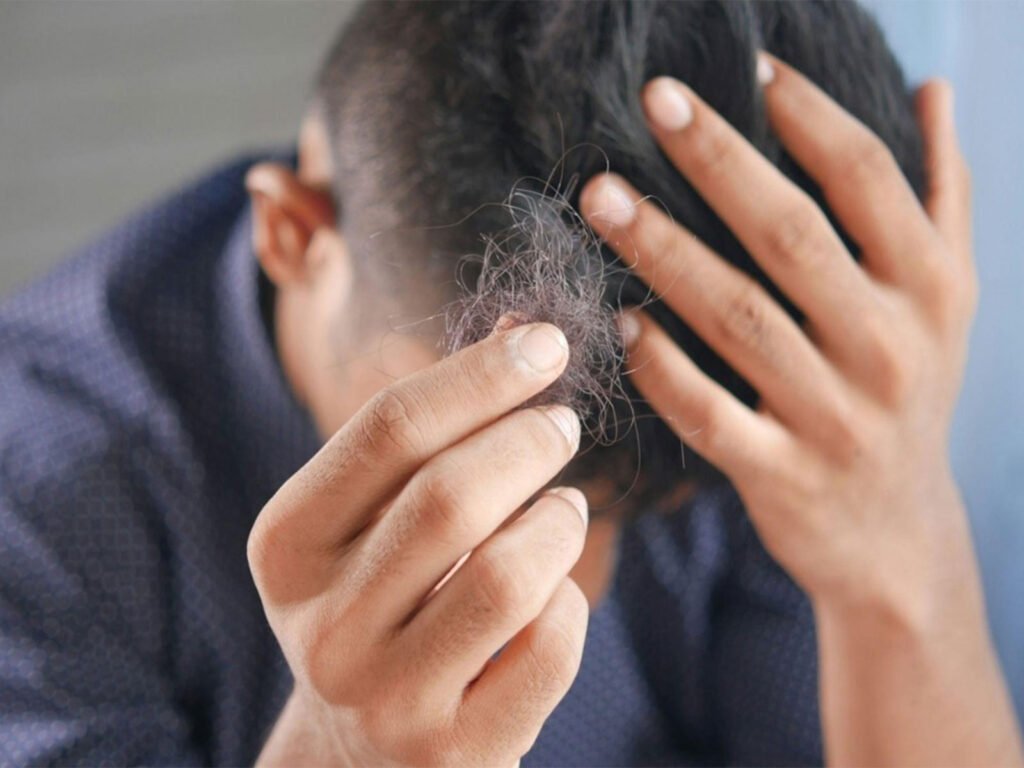
This process often causes diffuse hair loss across the scalp instead of creating isolated bald patches. Many people notice excessive hair on their pillow, hairbrush, or in the shower before they see visible thinning.
Types of Hair Loss Linked to Stress
One of the most common stress-related conditions is telogen effluvium. In this condition, a large number of hair follicles enter the resting phase at the same time, leading to increased shedding a few months later.
Stress may also worsen existing conditions such as androgenetic hair loss or alopecia areata in some individuals. Although stress is not always the direct cause, it can increase the severity of these conditions.
Common Sources of Stress
Many situations can affect hair health. Emotional stress from work, family responsibilities, financial concerns, or major life changes may contribute to increased hair shedding. Physical stress caused by high fever, surgery, infections, childbirth, or rapid weight loss can have a similar effect.
Poor sleep, unhealthy eating habits, and prolonged exhaustion often make the situation worse because they reduce the body’s ability to recover.
Signs That Stress May Be Affecting Your Hair
Stress-related hair loss usually develops gradually. You may notice more hair falling while washing or combing your hair. The scalp may become more visible, or your hair may feel less dense than before.
Unlike some forms of hair loss, stress-related shedding usually affects the entire scalp rather than one specific area. Most people continue to have a healthy-looking scalp without redness, itching, or scaling.
Can Hair Grow Back?
In many cases, hair begins to grow normally once the underlying source of stress improves. However, recovery takes time because hair grows slowly. Most people notice gradual improvement over several months after the hair growth cycle returns to normal.
If stress continues or another medical condition contributes to hair loss, recovery may take longer. Early evaluation helps identify additional factors that may require treatment.
Supporting Healthy Hair During Stress
Managing stress plays an important role in protecting hair health. Regular sleep, balanced nutrition, physical activity, and relaxation techniques support overall well-being and help maintain a healthier hair growth cycle.
A healthy diet rich in protein, iron, vitamins, and essential minerals also supports stronger hair. Avoiding harsh chemical treatments and excessive heat styling can reduce additional stress on the hair shaft while recovery continues.
When Should You See a Dermatologist?
Occasional hair shedding is normal, but persistent or excessive hair loss deserves professional evaluation. If hair continues to thin for several months, bald patches appear, or shedding becomes severe, it is important to consult a dermatologist.
The dermatologist may examine your scalp, review your medical history, and recommend blood tests if necessary. Identifying nutritional deficiencies, hormonal disorders, thyroid problems, or scalp diseases helps ensure the correct treatment plan.
Treatment Options
Treatment depends on the underlying cause of hair loss. If stress is the primary trigger, managing the source of stress often allows the hair growth cycle to recover naturally. Some patients may also benefit from topical medications, nutritional support, or dermatologist-recommended therapies that encourage healthy hair growth.
The treatment plan varies for each individual. Early consultation often leads to better results and helps prevent unnecessary progression.
Conclusion
Stress affects hair growth by disrupting the normal hair cycle and increasing hair shedding. Emotional stress, physical illness, poor sleep, and major life events can all contribute to temporary hair loss. While many people recover once stress improves, persistent hair thinning should never be ignored. Early evaluation by a dermatologist can identify the underlying cause and provide the right treatment to support healthy hair growth and long-term scalp health.