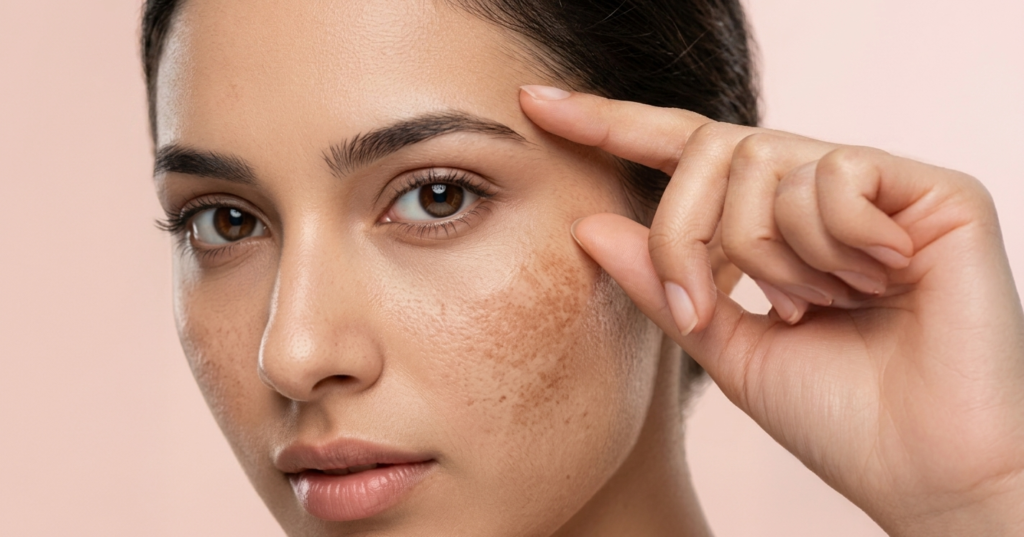
Melasma is a common skin condition that causes dark patches or uneven pigmentation on the skin, especially on the face. It often affects areas such as the cheeks, forehead, nose, and upper lip. Although melasma is not harmful, it can affect skin appearance and self-confidence. Understanding the symptoms and advanced treatment solutions helps support healthier and more even-toned skin.
Understanding Melasma
Melasma develops when excess melanin, the pigment responsible for skin color, is produced in certain areas of the skin. The condition is more common in individuals with prolonged sun exposure and may appear gradually over time. Hormonal changes, genetics, and environmental factors can also contribute to melasma.
Common Symptoms of Melasma
The most noticeable symptom of melasma is the appearance of brown, grayish, or dark patches on the skin. These patches usually develop symmetrically on the face and may become more visible after sun exposure.
In most cases, melasma does not cause pain or itching, but the uneven skin tone can affect overall skin appearance and confidence.
Causes and Triggers
Several factors can trigger melasma or worsen existing pigmentation. Excessive sun exposure is one of the most common causes because ultraviolet rays stimulate melanin production. Hormonal changes, stress, certain medications, and heat exposure may also contribute to pigmentation issues.
In addition, genetic factors and sensitive skin may increase the risk of developing melasma.
Importance of Early Skin Care
Early skincare and dermatological care help prevent pigmentation from becoming darker or more widespread. Identifying triggers and protecting the skin from sun damage are important steps in managing melasma effectively.
Professional skin evaluation also helps determine the depth and severity of pigmentation before starting treatment.
Advanced Treatment Solutions for Melasma
Modern dermatological treatments can help improve skin tone and reduce pigmentation. Treatment options may include topical skincare solutions, chemical peels, laser treatments, and advanced skin-brightening procedures. These treatments are often personalized based on skin type and pigmentation severity.
Regular follow-up care and sun protection are essential for maintaining treatment results and preventing recurrence.
Skin Care Tips for Managing Melasma
Daily skincare habits play a major role in controlling melasma. Using broad-spectrum sunscreen regularly helps protect the skin from ultraviolet damage and prevents pigmentation from worsening. Gentle skincare products and proper hydration also support healthier skin.
Avoiding excessive heat exposure and maintaining a consistent skincare routine can improve overall skin appearance.
When to Consult a Dermatologist
Dermatological consultation is important if pigmentation becomes darker, spreads gradually, or affects confidence and skin health. Professional evaluation helps identify suitable treatment methods and supports safer, more effective results.
Conclusion
Melasma is a common pigmentation condition that affects facial skin appearance and tone. Recognizing symptoms early and following advanced treatment solutions help improve skin clarity and overall confidence. Proper sun protection, personalized skincare, and professional dermatological care are essential for managing melasma effectively and maintaining healthy skin.