
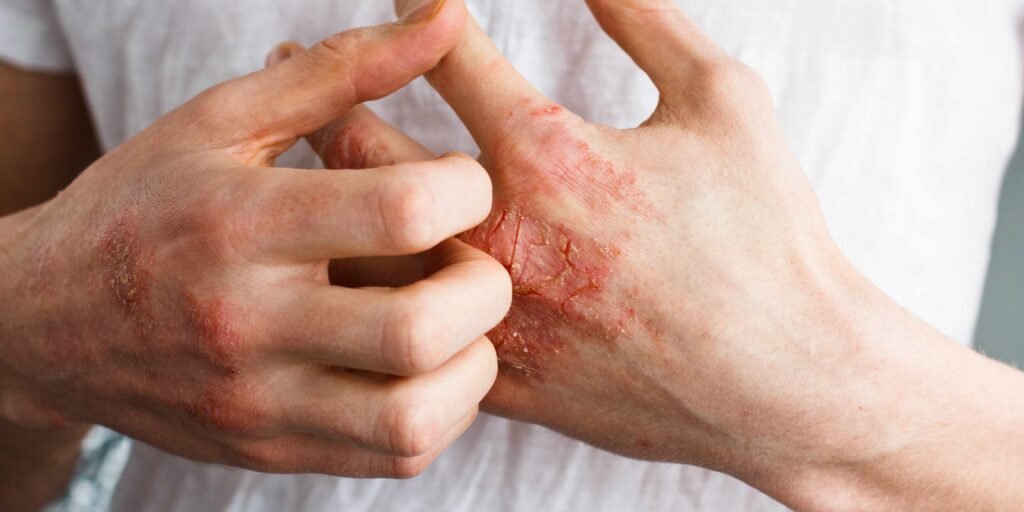
Eczema is a common skin condition that causes dryness, itching, redness, and irritation of the skin. It can affect people of all age groups and may occur in mild or severe forms. Although eczema is not contagious, it can cause significant discomfort and affect daily life if not managed properly. Understanding the symptoms, triggers, and skin management tips helps support healthier skin and long-term relief.
Understanding Eczema
Eczema, also known as dermatitis, is a condition that causes inflammation and irritation of the skin. The skin barrier becomes sensitive and loses moisture easily, making the skin dry and prone to itching. In many individuals, eczema may appear periodically and worsen when exposed to certain triggers.
Common Symptoms of Eczema
Recognizing eczema symptoms early helps prevent worsening skin irritation. Common symptoms include dry skin, redness, itching, rough patches, and skin inflammation. Some individuals may also experience cracked skin, swelling, or burning sensations.
Frequent scratching can damage the skin further and increase the risk of infection or skin discoloration.
Common Triggers of Eczema
Several environmental and lifestyle factors can trigger eczema flare-ups. Dust, heat, sweat, harsh soaps, pollution, and certain fabrics may irritate sensitive skin. Stress and weather changes can also worsen symptoms in many individuals.
In some cases, food allergies or skin sensitivity to chemicals and fragrances may contribute to eczema flare-ups.
Importance of Early Skin Care
Early skin care and medical attention help control symptoms and reduce discomfort. Identifying triggers and following a proper skincare routine can prevent repeated flare-ups and support healthier skin. Dermatological evaluation is important for understanding the severity of the condition and planning suitable treatment.
Skin Management and Treatment Tips
Proper skin management plays a key role in controlling eczema symptoms. Keeping the skin moisturized regularly helps protect the skin barrier and reduce dryness. Gentle skincare products and mild cleansers are often recommended for sensitive skin.
Avoiding known triggers and maintaining good skin hygiene also support better skin comfort and healing. In some cases, dermatological treatment may be required to manage inflammation and severe itching.
Lifestyle Habits for Healthier Skin
Healthy daily habits can improve overall skin health. Staying hydrated, following a balanced diet, and managing stress help support skin wellness. Wearing soft and breathable clothing may also reduce irritation in sensitive skin.
Protecting the skin from excessive heat and harsh environmental conditions can help minimize flare-ups.
When to Consult a Dermatologist
Medical consultation is important if eczema symptoms become severe, spread widely, or do not improve with basic skin care. Persistent itching, skin infections, or painful flare-ups require professional dermatological evaluation and treatment.
Conclusion
Eczema is a common skin condition that can cause dryness, itching, and irritation if not managed properly. Understanding symptoms, avoiding triggers, and following healthy skin management practices help improve comfort and support long-term skin health. Early dermatological care and proper skincare routines play an important role in reducing flare-ups and maintaining healthier skin.