Alopecia is a condition that causes hair loss from the scalp or other parts of the body. Hair loss can occur gradually or suddenly and may affect individuals of different age groups. Although alopecia is not usually life-threatening, it can impact confidence, appearance, and emotional well-being. Understanding the early signs and available hair restoration solutions helps support healthier hair and timely treatment.
Understanding Alopecia
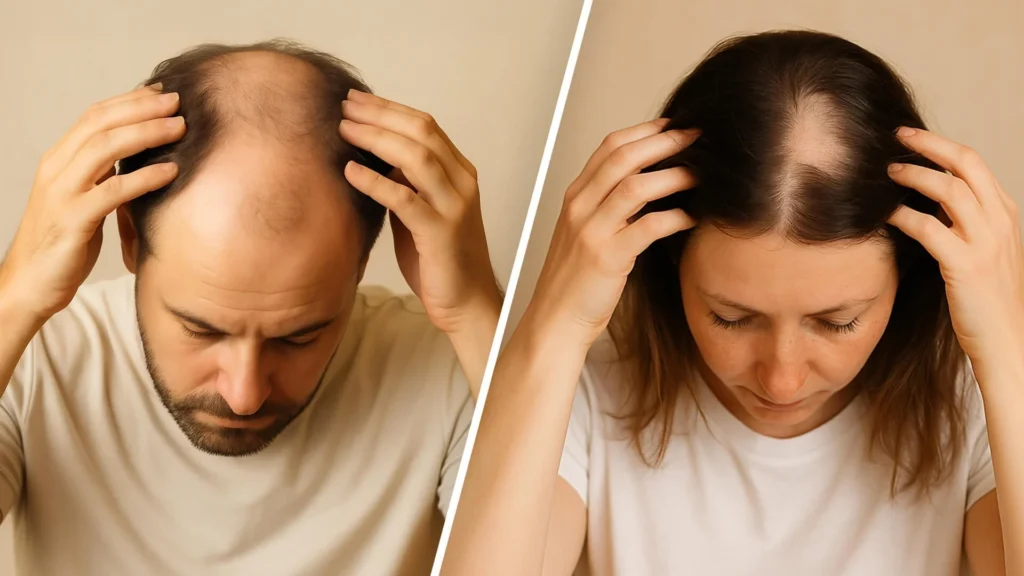
Alopecia refers to different types of hair loss conditions that affect normal hair growth. The condition may result in thinning hair, patchy hair loss, or significant reduction in hair density. Hair loss can develop due to genetics, hormonal changes, immune-related conditions, stress, or nutritional deficiencies.
Early Signs of Alopecia
Recognizing early signs of alopecia is important for timely management and better treatment outcomes. Common signs include excessive hair fall during brushing or washing, thinning hair around the scalp, widening hair partitions, and patchy bald areas.
Some individuals may also notice scalp sensitivity, itching, or sudden shedding of hair over a short period. Early evaluation can help identify the cause before hair loss progresses further.
Common Causes of Hair Loss
Several factors can contribute to alopecia and hair thinning. Genetics and hormonal imbalance are among the most common causes. Stress, poor nutrition, scalp infections, certain medications, and medical conditions may also affect hair growth.
Excessive heat styling, harsh hair products, and unhealthy lifestyle habits can further weaken hair and increase hair fall.
Importance of Early Diagnosis
Early diagnosis plays a major role in controlling hair loss and improving hair restoration results. Dermatological evaluation helps identify the type of alopecia and determine the underlying cause. Timely treatment can slow hair loss progression and support healthier hair growth.
Hair Restoration Solutions
Modern hair restoration treatments offer several solutions for managing alopecia and improving hair density. Treatment options may include scalp therapies, medications, nutritional support, and advanced dermatological procedures designed to strengthen hair follicles and encourage regrowth.
Personalized treatment plans are often recommended based on the severity of hair loss and individual scalp condition.
Healthy Hair Care Tips
Maintaining healthy hair care habits supports stronger hair and scalp health. Eating a balanced diet rich in vitamins and proteins helps nourish hair from within. Gentle hair care routines, proper scalp hygiene, and stress management also contribute to healthier hair growth.
Avoiding excessive chemical treatments and protecting the scalp from damage can help reduce hair breakage and hair fall.
When to Consult a Dermatologist
Medical consultation is important if hair loss becomes excessive, patchy, or persistent. Sudden hair shedding, visible bald spots, or scalp irritation should not be ignored. Professional evaluation helps identify suitable treatment options and prevent further hair loss.
Conclusion
Alopecia is a common hair loss condition that can affect appearance and confidence if left untreated. Recognizing early signs and seeking timely dermatological care help improve hair restoration outcomes and support healthier hair growth. Proper scalp care, healthy lifestyle habits, and advanced treatment solutions play an important role in managing alopecia effectively.