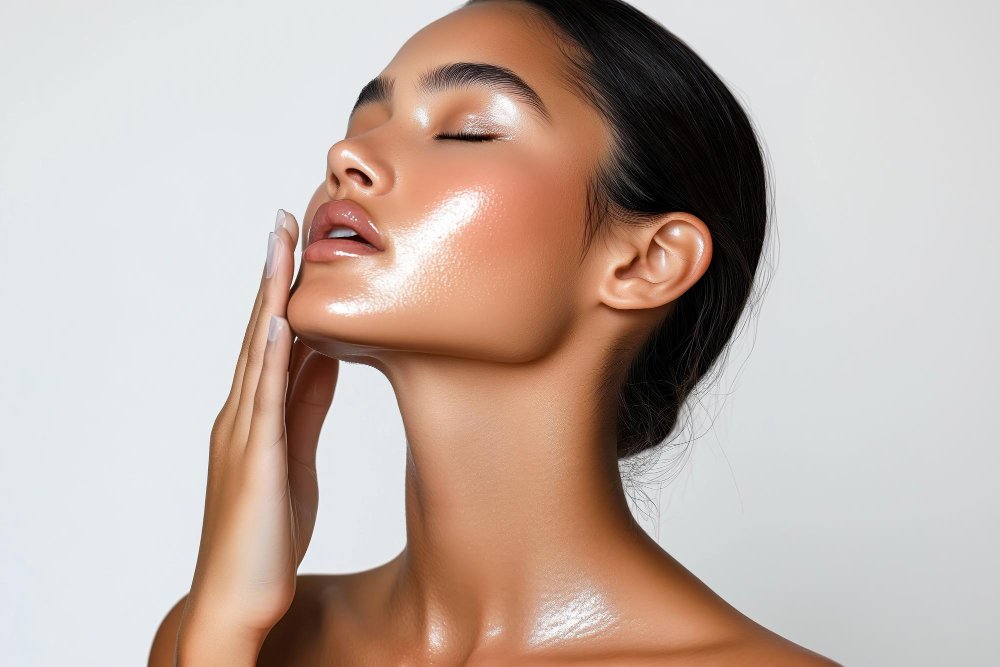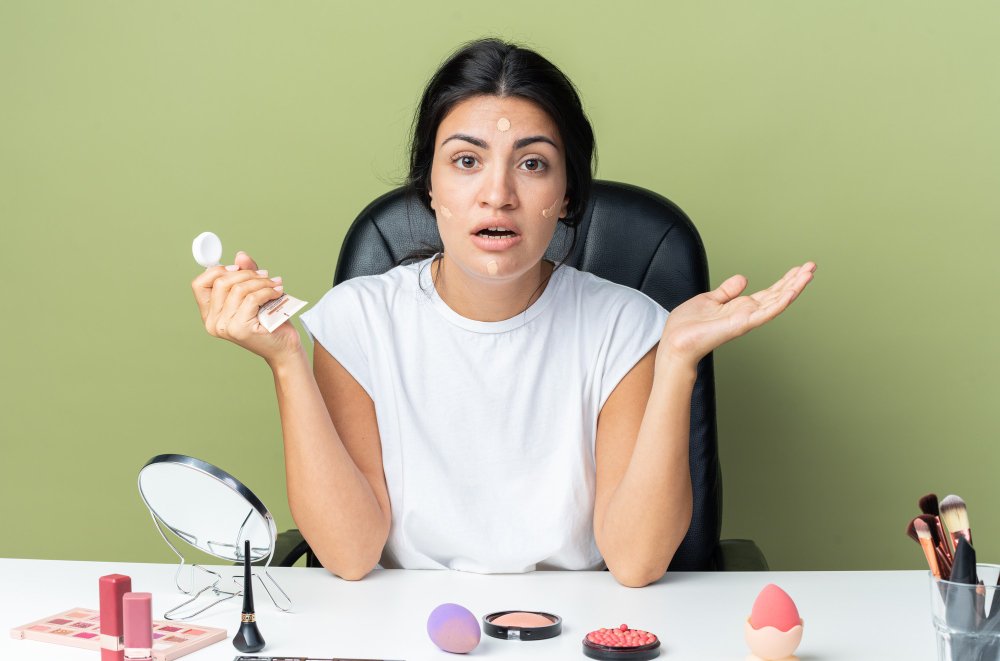

Stress can affect more than just emotional well-being. It also has a significant impact on skin health and may worsen existing skin conditions or trigger new skin problems. Many people notice breakouts, irritation, dryness, or increased sensitivity during stressful periods. Understanding the connection between stress and skin problems helps support healthier skin and better overall wellness.
How Stress Affects the Skin
When the body experiences stress, it releases hormones such as cortisol that can influence oil production, inflammation, and skin sensitivity. Increased stress levels may weaken the skin barrier and make the skin more reactive to environmental factors.
Long-term stress can also affect sleep patterns, hydration, and lifestyle habits, which further impact skin health.
Common Skin Problems Triggered by Stress
Stress can contribute to several skin concerns. Acne breakouts are one of the most common problems linked to stress because hormonal changes may increase oil production and clogged pores.
Stress may also worsen conditions such as eczema, psoriasis, rosacea, and skin allergies. Some individuals experience itching, redness, dryness, or flare-ups during emotionally stressful situations.
Stress and Premature Skin Aging
Chronic stress can affect collagen production and skin repair processes, which may contribute to premature aging. Fine lines, dullness, tired-looking skin, and uneven texture may become more noticeable when stress levels remain high for long periods.
Poor sleep and unhealthy lifestyle habits associated with stress can further affect skin appearance.
Importance of Managing Stress for Healthy Skin
Managing stress is important for maintaining balanced and healthier skin. Reducing stress levels may help improve skin recovery, decrease inflammation, and reduce flare-ups related to sensitive skin conditions.
Healthy stress management also supports better sleep, hydration, and overall wellness, which benefit the skin naturally.
Skin Care Tips During Stressful Periods
Following a gentle and consistent skincare routine can help protect the skin during stressful times. Using mild cleansers, moisturizers, and sunscreen helps maintain the skin barrier and reduce irritation.
Staying hydrated and avoiding harsh skincare products may also help prevent sensitivity and breakouts. Regular cleansing and proper skin hydration support healthier skin balance.
Lifestyle Habits That Support Skin Wellness
Healthy lifestyle habits play an important role in reducing stress-related skin problems. Regular exercise, balanced nutrition, adequate sleep, and relaxation techniques can support emotional wellness and healthier skin function.
Activities such as meditation, breathing exercises, and maintaining work-life balance may also help reduce stress levels.
When to Consult a Dermatologist
Dermatological consultation is important if stress-related skin problems become severe, persistent, or difficult to manage. Professional evaluation helps identify underlying triggers and supports proper treatment planning for healthier skin recovery.
Conclusion
The connection between stress and skin problems is closely linked through hormonal changes, inflammation, and lifestyle habits. Stress can worsen acne, eczema, sensitivity, and other skin conditions if not managed properly. Following healthy lifestyle practices, maintaining gentle skincare routines, and seeking timely dermatological care help support healthier skin and emotional well-being.