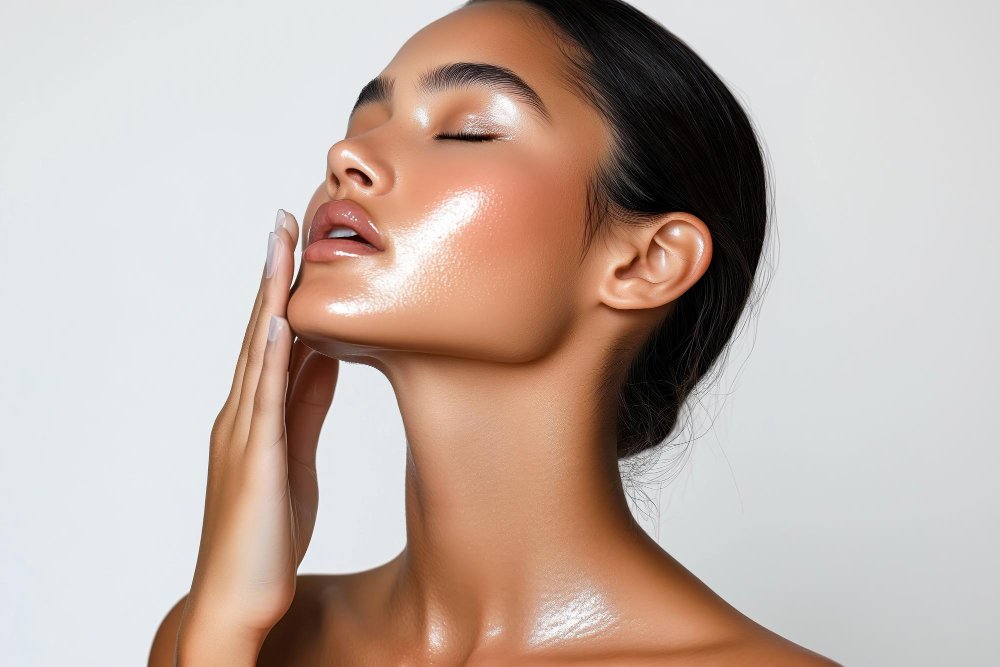

The Skin Cycling Trend has become one of the most talked about skincare practices in recent years. As people become more aware of overusing active ingredients, many are turning to a structured skincare schedule instead of applying multiple products every day.
The idea behind skin cycling is simple. Instead of using strong skincare ingredients every night, you rotate products throughout the week to allow your skin time to recover. Supporters claim it helps reduce irritation while improving results.
But is rotating products really better than a traditional daily skincare routine? Let’s explore the science, benefits, and limitations of this growing skincare trend.
What Is Skin Cycling
Skin cycling is a planned nighttime skincare routine where active ingredients are used on specific days, followed by recovery days.
A common four night cycle includes:
Night 1: Exfoliation
Chemical exfoliants such as AHAs or BHAs are used to remove dead skin cells and improve skin texture.
Night 2: Retinoid Application
Retinol or prescription retinoids are applied to support collagen production and reduce signs of aging.
Night 3: Recovery
Focus on hydration and skin barrier repair using moisturizers and soothing ingredients.
Night 4: Recovery
Continue barrier support and hydration before repeating the cycle.
This structured approach prevents excessive use of powerful ingredients.
Why Skin Cycling Became Popular
Modern skincare routines often involve multiple active ingredients. Many people unknowingly combine exfoliants, retinoids, and acids too frequently, leading to irritation and sensitivity.
The Skin Cycling Trend became popular because it encourages:
- Simpler routines
- Better skin barrier protection
- Reduced irritation
- More mindful product use
- Consistent long term skincare habits
Benefits of Skin Cycling
1. Protects the Skin Barrier
One of the biggest advantages is allowing the skin enough time to recover. Overusing active ingredients can weaken the skin barrier and cause redness, dryness, and sensitivity.
2. Reduces Irritation
People new to retinol or exfoliating acids often experience irritation. Skin cycling helps introduce these ingredients more gradually.
3. Improves Product Effectiveness
When the skin is not constantly inflamed or irritated, active ingredients may work more effectively.
4. Easier to Follow
Many people find a structured schedule easier than managing a complicated routine with numerous products every day.
5. Supports Long Term Skin Health
Balanced skincare often delivers better long term results than aggressive treatments performed too frequently.
What About Traditional Daily Routines
Traditional skincare routines involve using the same products every day.
A typical daily routine may include:
- Cleanser
- Moisturizer
- Sunscreen
- Targeted treatment products
For many people, especially those with healthy skin and well chosen products, a consistent daily routine works perfectly well.
Skin Cycling vs Daily Routine
Skin Cycling
Advantages
- Less irritation
- Better recovery time
- Ideal for beginners using active ingredients
- Supports skin barrier health
Disadvantages
- May not be necessary for everyone
- Requires planning and consistency
Daily Routine
Advantages
- Simple and predictable
- Easy to maintain
- Effective with gentle products
Disadvantages
- Can lead to overuse of active ingredients
- Higher risk of irritation if products are not selected properly
Who Should Try Skin Cycling
Skin cycling may be beneficial if you:
- Are new to retinol
- Experience skin sensitivity
- Have a damaged skin barrier
- Use exfoliating acids regularly
- Want a simpler skincare schedule
Who May Not Need Skin Cycling
You may not need skin cycling if:
- Your current routine is working well
- You use only gentle products
- You have already built tolerance to active ingredients
- You are under professional skincare guidance with a customized routine
Common Mistakes During Skin Cycling
Using Too Many Products
Skin cycling is about simplicity, not adding more products.
Skipping Sunscreen
Active ingredients can increase sun sensitivity, making sunscreen essential.
Over Exfoliating
Using strong exfoliants too often can defeat the purpose of recovery days.
Ignoring Skin Reactions
Every skin type is different. Adjust the schedule if irritation occurs.
Professional Treatments and Skin Cycling
Skin cycling can complement professional treatments such as:
- Chemical peels
- Laser treatments
- Hydrating facials
- Anti aging procedures
However, treatment schedules should always follow professional recommendations.
Conclusion
The Skin Cycling Trend offers a balanced approach to skincare by alternating active ingredients with recovery days. For many people, especially those dealing with sensitivity or beginner level skincare concerns, it can improve results while protecting the skin barrier.
However, there is no universal skincare method that works for everyone. Some people thrive with a traditional daily routine, while others benefit from structured product rotation. The key is understanding your skin’s needs and choosing a routine that supports long term skin health.