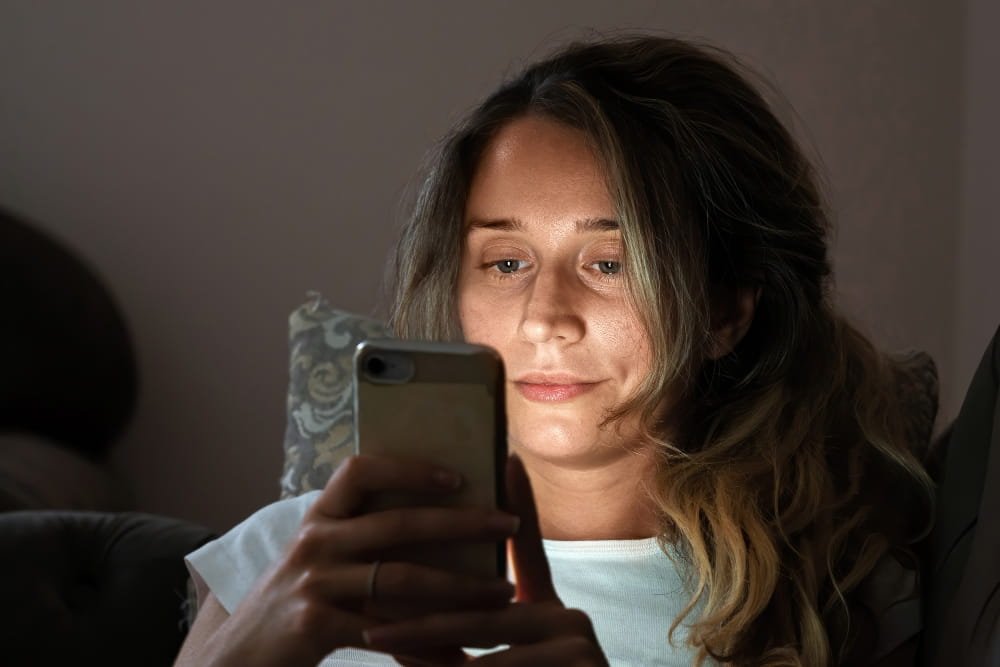
In 2026, screen time has become a major part of daily life. From smartphones and laptops to tablets and televisions, most people spend several hours each day in front of digital devices. While many people know screens can strain the eyes and disturb sleep, fewer realize that constant exposure to blue light may also affect the skin.
Blue light, also known as high energy visible light, is emitted by digital screens and artificial lighting. Growing awareness around digital aging has made many people ask an important question. Is your phone accelerating skin aging?
The answer is not as simple as direct sun damage, but increasing evidence suggests that long term exposure to blue light may contribute to pigmentation, dullness, and early aging concerns.
What Is Blue Light
Blue light is a part of the visible light spectrum with short wavelengths and high energy. It comes from:
- Smartphones
- Laptops
- Tablets
- LED lights
- Television screens
- Sunlight
Sunlight remains the largest natural source of blue light. However, daily close range exposure from devices has become a growing concern because of the number of hours people now spend on screens.
How Blue Light May Affect the Skin
Blue light can penetrate deeper into the skin compared to some other visible light wavelengths. This may create oxidative stress, which can damage skin cells over time.
1. Pigmentation and Uneven Skin Tone
Some studies suggest blue light exposure may worsen hyperpigmentation, especially in medium to deeper skin tones. This can lead to stubborn dark patches and uneven complexion.
2. Premature Aging
Oxidative stress caused by repeated exposure may contribute to:
- Fine lines
- Loss of elasticity
- Dullness
- Tired looking skin
3. Weakening the Skin Barrier
Excessive screen time often comes with indoor air exposure, poor hydration, and stress, all of which can weaken the skin barrier and increase sensitivity.
4. Inflammation
Blue light may increase inflammation in some individuals, making acne prone or sensitive skin more reactive.
Is Phone Use Worse Than Sun Exposure
Sunlight remains the biggest cause of visible skin aging because it contains ultraviolet rays and intense light exposure. Your phone alone is usually not more damaging than the sun.
However, the concern comes from:
- Daily close contact with devices
- Long hours of repeated exposure
- Combined stress, poor posture, and poor sleep
- Lack of skincare protection indoors
So while your phone may not be the main cause, it can be part of the overall aging picture.
Signs of Digital Aging
People who spend heavy time on screens may notice:
- Dull skin tone
- Dark spots becoming more visible
- Tired appearance
- Fine lines from expressions and poor posture
- Breakouts caused by stress and irregular sleep
Who Is Most at Risk
You may be more affected if you:
- Spend 6 or more hours daily on screens
- Already have pigmentation concerns
- Skip sunscreen indoors
- Sleep poorly due to nighttime phone use
- Have sensitive or acne prone skin
How to Protect Your Skin from Blue Light
1. Use Broad Spectrum Sunscreen
Many sunscreens help protect against environmental exposure. Tinted sunscreens with iron oxides may offer additional support against visible light.
2. Add Antioxidants to Your Routine
Ingredients like Vitamin C, niacinamide, and green tea extracts help fight oxidative stress.
3. Reduce Night Screen Exposure
Late night phone use affects sleep quality, which directly impacts skin repair.
4. Keep Screens Clean
Phones collect oil, dirt, and bacteria that may transfer to your skin.
5. Maintain Distance
Avoid holding screens too close to your face for extended periods.
6. Hydrate and Moisturize
Hydrated skin has a stronger barrier and recovers better from environmental stress.
Professional Treatments for Digital Dullness
If blue light exposure and lifestyle stress have affected your skin, professional treatments may help:
- Hydrating facials
- Chemical peels
- Laser rejuvenation
- Pigmentation correction treatments
- Barrier repair treatments
These options can restore brightness and improve overall texture.
Can You Reverse Screen Related Skin Damage
In many cases, yes. Skin responds well to:
- Better sleep
- Consistent skincare
- Sun protection
- Reduced stress
- Professional treatment when needed
Early action gives better results.
Conclusion
Blue light from phones is not the same as sun damage, but constant exposure may contribute to pigmentation, dullness, and early aging when combined with modern lifestyle habits. In 2026, protecting your skin means thinking beyond sunlight alone.
A balanced routine with sunscreen, antioxidants, quality sleep, and reduced screen stress can help keep your skin healthy and youthful.