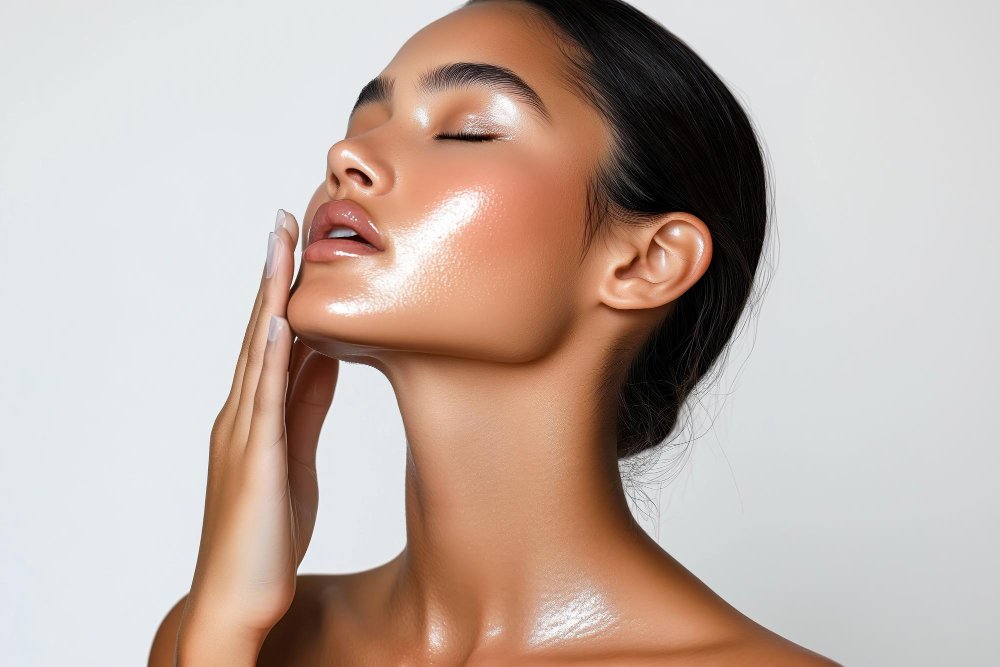

Oily skin can be challenging to manage, often leading to excess shine, clogged pores, and frequent breakouts. However, with the right routine and consistent care, it is possible to maintain balanced, healthy, and glowing skin. Understanding your skin’s needs and choosing suitable products plays a key role in controlling oil production without stripping away essential moisture.
What Causes Oily Skin
Oily skin develops when the sebaceous glands produce excess sebum. While sebum helps protect and hydrate the skin, overproduction can result in acne and enlarged pores. Common causes include genetics, hormonal changes, stress, diet, and using harsh or unsuitable skincare products.
Simple Daily Routine for Oily Skin
1. Cleanse Gently Twice a Day
Use a mild, oil-control face wash to remove dirt, excess oil, and impurities. Avoid over-washing, as it can trigger even more oil production.
2. Use a Balancing Toner
A toner helps remove leftover impurities and tightens pores. Ingredients like niacinamide or witch hazel are effective for oily skin.
3. Apply a Lightweight Moisturizer
Moisturizing is essential even for oily skin. Choose an oil-free or gel-based moisturizer to keep your skin hydrated without making it greasy.
4. Don’t Skip Sunscreen
Apply a non-comedogenic, matte-finish sunscreen daily. It protects your skin from damage and prevents excess oil caused by sun exposure.
5. Use Oil-Control Products
Look for products labeled “non-comedogenic” or “oil-free” to prevent clogged pores and breakouts.
Weekly Care Tips
Exfoliation
Exfoliate 1–2 times a week to remove dead skin cells and prevent clogged pores. Avoid over-exfoliating, as it can irritate the skin.
Face Masks
Clay masks or charcoal masks help absorb excess oil and deeply cleanse the skin.
Lifestyle Tips for Healthy Skin
Maintaining healthy skin goes beyond skincare products. Drink plenty of water, eat a balanced diet, and reduce oily or processed foods. Managing stress and getting enough sleep also help regulate oil production.
When to See a Specialist
If oily skin leads to persistent acne or irritation, consulting a dermatologist is recommended. Professional treatments can help control oil production and improve overall skin health.